
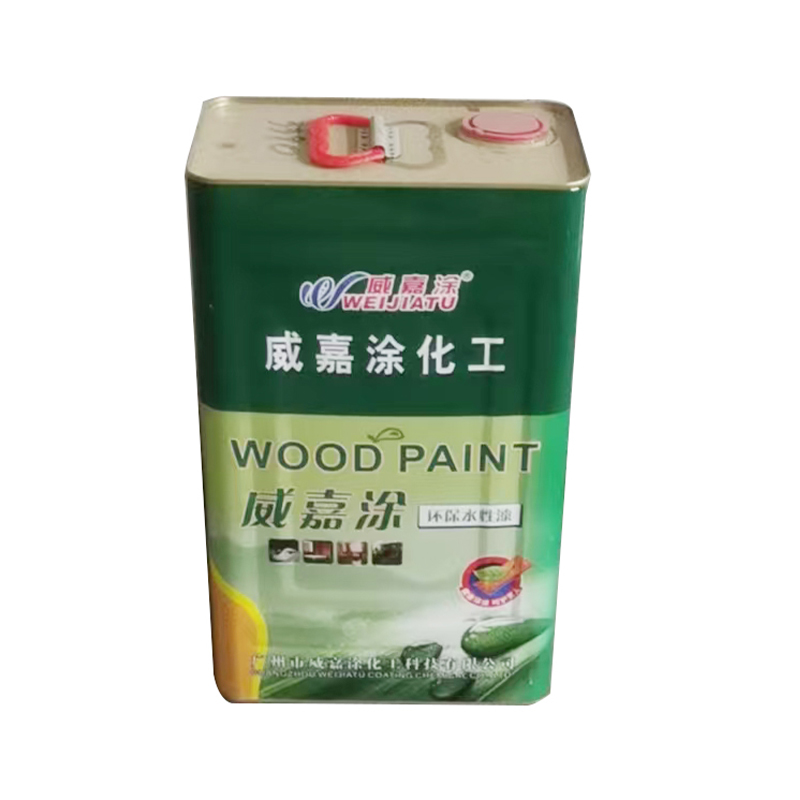
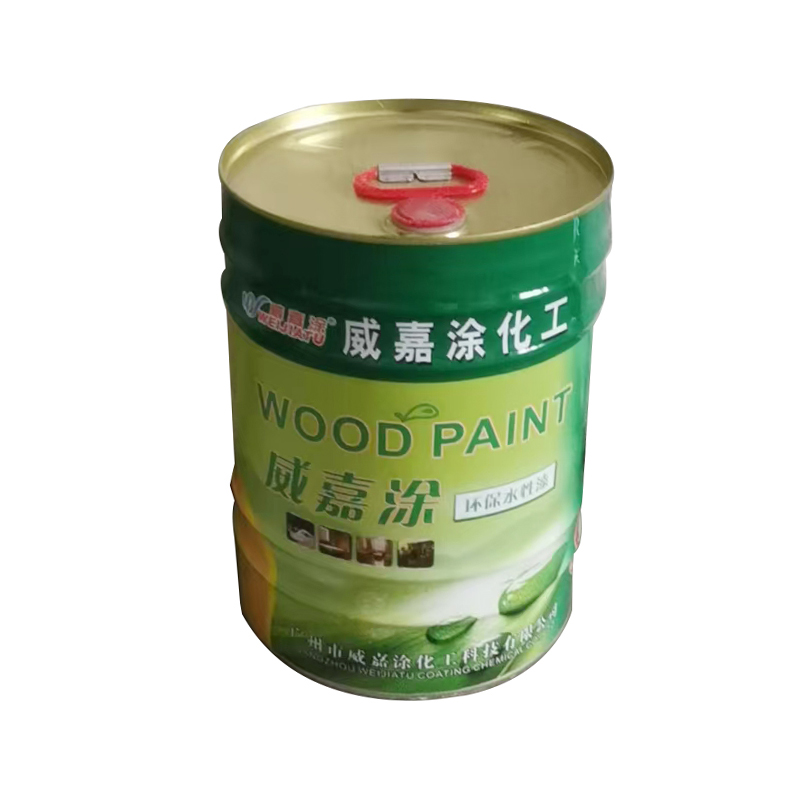
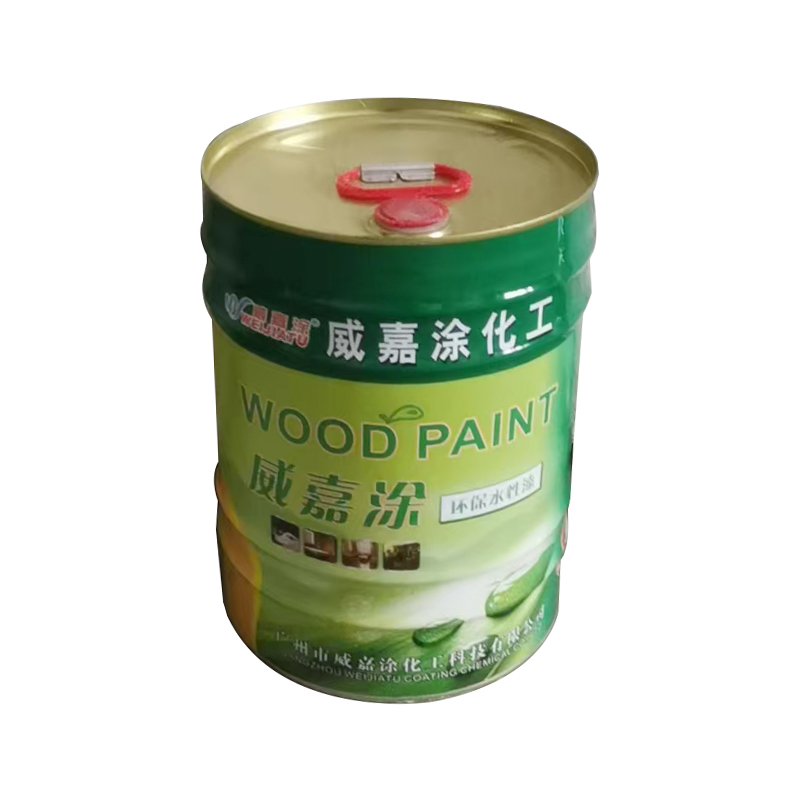
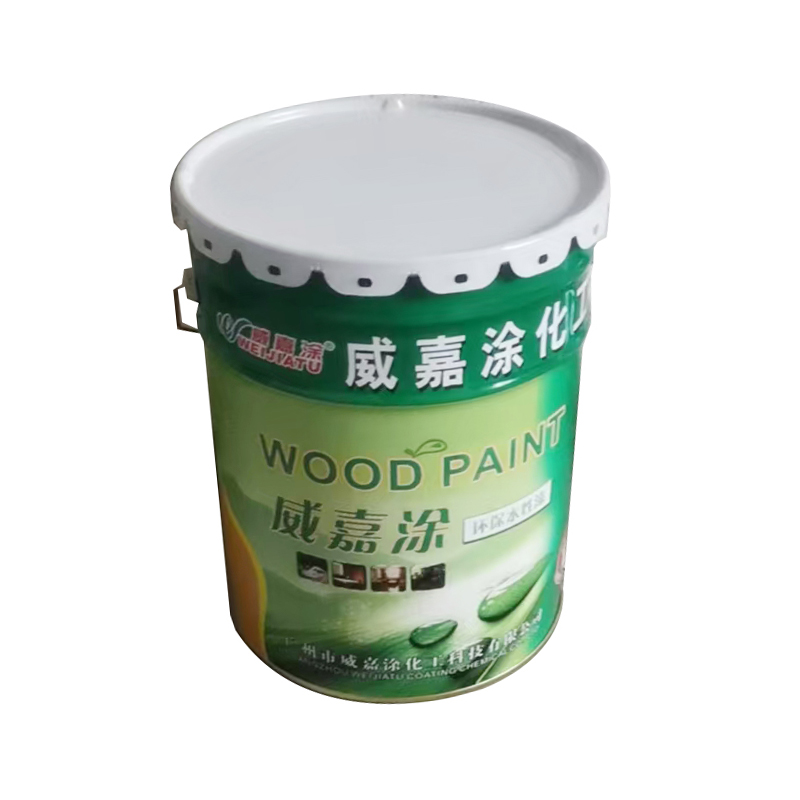


How does a high-quality paint thinner make painting smoother, more environmentally friendly, and more efficient?
Release Time : 2025-11-25
In the painting process, although thinner is only an auxiliary material, it plays a decisive role in the final coating effect. It not only affects the paint's flowability, drying speed, and adhesion, but also directly relates to the application experience, environmental friendliness, and the long-lasting aesthetics of the coating. A high-quality paint thinner is not simply a solvent mixture, but a refined product that integrates chemical processes, environmental protection concepts, and practical performance, significantly improving the professionalism and safety of the entire painting process.
First, the core advantage of a high-quality paint thinner lies in its excellent dissolving and adjusting capabilities. It is highly compatible with all types of paint—whether oil-based, nitrocellulose lacquer, or industrial anti-corrosion coatings—quickly and evenly reducing the paint viscosity to achieve the ideal spraying or brushing state. This precise thinning effect avoids common problems such as sagging, orange peel, bubbling, or cracking caused by improper mixing, resulting in a smoother, glossier paint film. Even novice painters can easily achieve near-professional-grade painting results with the help of high-quality thinners.
Secondly, in terms of volatility, high-quality thinners exhibit excellent balance. They don't evaporate too quickly, causing the paint to dry before it has time to level, resulting in roughness or brush marks; nor do they evaporate too slowly, prolonging drying time, affecting the application process, or increasing the risk of dust adhesion. This perfect evaporation rhythm ensures that the paint has sufficient time to self-repair and spread during the film-forming process, thus forming a dense, uniform, and strong protective layer. This stability is especially valuable in environments with significant temperature and humidity fluctuations.
Environmental friendliness and safety are also crucial advantages that modern paint thinners cannot ignore. Traditional thinners often contain high concentrations of irritating odors and harmful ingredients, which not only endanger the health of painters but may also cause long-term indoor air pollution. High-quality environmentally friendly thinners, through optimized formulations, significantly reduce the content of volatile organic compounds (VOCs), with a mild or even nearly odorless odor. Even when used in spaces with limited ventilation, they significantly reduce irritation to the respiratory system and skin. This not only complies with increasingly stringent environmental regulations but also reflects a humanistic concern for user health.
Furthermore, high-quality thinners also excel in cleaning and maintenance. After application, using it to clean spray guns, brushes, or tools contaminated with paint quickly dissolves residual paint without leaving any marks, greatly simplifying the finishing work. Simultaneously, its high chemical stability makes it less prone to adverse reactions with other substances, and it is not easily degraded or separated during storage, ensuring consistent performance with each use.
It is worth mentioning that a good thinner can also indirectly extend the lifespan of paint. By promoting full leveling and curing of the paint film, it helps form a denser surface structure, thereby enhancing the coating's resistance to moisture, UV rays, and chemical corrosion. This means that wall or equipment surfaces not only have an excellent initial appearance but also maintain color stability and are less prone to peeling after long-term use, reducing the frequency of renovations and maintenance costs.
Finally, from a construction efficiency perspective, a reliable thinner can significantly improve the overall workflow. It reduces the probability of rework, shortens waiting time, reduces material waste, and makes the operation process easier and more controllable. For professional painting teams, this translates to higher project delivery quality and customer satisfaction; for home users, it means a worry-free, effortless, and outstanding DIY experience.
In short, though small, paint thinner is a crucial element in the success of painting. High-quality thinner is not only the "best partner" for paint, but also an invisible bridge connecting the painter, materials, and the final result. In today's pursuit of efficiency, environmental protection, and aesthetics, choosing a truly high-quality paint thinner ensures professional assurance and peace of mind for every painting session.
First, the core advantage of a high-quality paint thinner lies in its excellent dissolving and adjusting capabilities. It is highly compatible with all types of paint—whether oil-based, nitrocellulose lacquer, or industrial anti-corrosion coatings—quickly and evenly reducing the paint viscosity to achieve the ideal spraying or brushing state. This precise thinning effect avoids common problems such as sagging, orange peel, bubbling, or cracking caused by improper mixing, resulting in a smoother, glossier paint film. Even novice painters can easily achieve near-professional-grade painting results with the help of high-quality thinners.
Secondly, in terms of volatility, high-quality thinners exhibit excellent balance. They don't evaporate too quickly, causing the paint to dry before it has time to level, resulting in roughness or brush marks; nor do they evaporate too slowly, prolonging drying time, affecting the application process, or increasing the risk of dust adhesion. This perfect evaporation rhythm ensures that the paint has sufficient time to self-repair and spread during the film-forming process, thus forming a dense, uniform, and strong protective layer. This stability is especially valuable in environments with significant temperature and humidity fluctuations.
Environmental friendliness and safety are also crucial advantages that modern paint thinners cannot ignore. Traditional thinners often contain high concentrations of irritating odors and harmful ingredients, which not only endanger the health of painters but may also cause long-term indoor air pollution. High-quality environmentally friendly thinners, through optimized formulations, significantly reduce the content of volatile organic compounds (VOCs), with a mild or even nearly odorless odor. Even when used in spaces with limited ventilation, they significantly reduce irritation to the respiratory system and skin. This not only complies with increasingly stringent environmental regulations but also reflects a humanistic concern for user health.
Furthermore, high-quality thinners also excel in cleaning and maintenance. After application, using it to clean spray guns, brushes, or tools contaminated with paint quickly dissolves residual paint without leaving any marks, greatly simplifying the finishing work. Simultaneously, its high chemical stability makes it less prone to adverse reactions with other substances, and it is not easily degraded or separated during storage, ensuring consistent performance with each use.
It is worth mentioning that a good thinner can also indirectly extend the lifespan of paint. By promoting full leveling and curing of the paint film, it helps form a denser surface structure, thereby enhancing the coating's resistance to moisture, UV rays, and chemical corrosion. This means that wall or equipment surfaces not only have an excellent initial appearance but also maintain color stability and are less prone to peeling after long-term use, reducing the frequency of renovations and maintenance costs.
Finally, from a construction efficiency perspective, a reliable thinner can significantly improve the overall workflow. It reduces the probability of rework, shortens waiting time, reduces material waste, and makes the operation process easier and more controllable. For professional painting teams, this translates to higher project delivery quality and customer satisfaction; for home users, it means a worry-free, effortless, and outstanding DIY experience.
In short, though small, paint thinner is a crucial element in the success of painting. High-quality thinner is not only the "best partner" for paint, but also an invisible bridge connecting the painter, materials, and the final result. In today's pursuit of efficiency, environmental protection, and aesthetics, choosing a truly high-quality paint thinner ensures professional assurance and peace of mind for every painting session.