


How to prevent the active ingredients of paint hardener from degrading during storage?
Release Time : 2025-10-14
During the storage of paint hardener, preventing the degradation of active ingredients requires a multi-dimensional protection system focused on seven key aspects: temperature control, light management, humidity regulation, container sealing, chemical isolation, regular inspections, and proper inventory management.
Temperature is the primary factor affecting the activity of paint hardener. High temperatures accelerate the decomposition of active ingredients in the hardener, reducing its crosslinking ability with the resin. For example, in environments above 30°C, the active groups of isocyanate hardeners react prematurely due to increased thermal motion, forming ineffective polymers. Therefore, the storage environment should be equipped with air conditioning or ventilation to maintain a stable temperature below 25°C to prevent degradation caused by diurnal temperature fluctuations or seasonal changes.
Light management is also crucial. High-energy light, such as ultraviolet light, can break down the chemical bonds in the hardener molecules, triggering photolysis. For example, aromatic isocyanates are susceptible to forming quinone structures when exposed to light, resulting in yellowing of the cured paint film. Storage should be done behind blackout curtains or indoors. If outdoor storage is unavoidable, a sunshade and UV-blocking film should be installed to ensure the hardener is protected from light.
Humidity control is key to preventing hydrolysis. High humidity causes reactive groups (such as isocyanates) in the curing agent to react with water molecules, forming carbamates and releasing carbon dioxide, leading to the depletion of the active ingredient. For example, the hydrolysis rate of TDI trimer curing agent increases significantly when humidity exceeds 75%. Storage warehouses should be equipped with dehumidifiers or desiccants to maintain a relative humidity between 55% and 65%. The floor should also be kept dry to prevent rainwater intrusion.
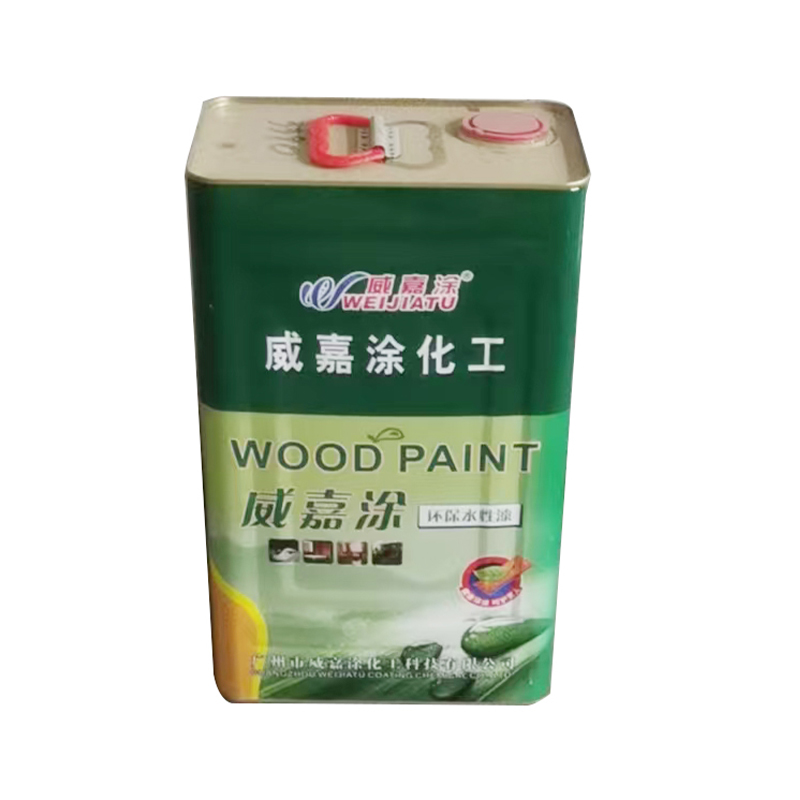
The sealability of the container directly affects the curing agent's exposure to the external environment. Poor container seals allow oxygen, moisture, and impurities from the air to penetrate, triggering oxidation reactions or contamination. For example, polyurethane curing agents are susceptible to peroxide formation in the presence of oxygen, which reduces their activity. For storage, use chemically stable containers such as polyethylene or polypropylene. Ensure they are tightly sealed and leak-proof. Label the container with the production date and storage conditions for easy traceability.
Chemical isolation is crucial to prevent cross-reactions. Mixing curing agents with oxidizing agents, reducing agents, or acidic substances can cause violent reactions or even explosions. For example, peroxide curing agents can generate free radicals when in contact with reducing agents, accelerating their decomposition. Separate storage areas should be established to separate chemicals of different properties and clearly labeled to prevent misuse or mixing.
Regular inspections are key to identifying problems promptly. During storage, containers should be inspected weekly to confirm they are free of damage, leaks, or lumps. For example, if a crust forms on the surface of the curing agent or sediment forms on the bottom, this could indicate moisture intrusion due to a poor seal. Immediately transfer the curing agent to a dry container and filter it before use. Furthermore, storage environment parameters (temperature and humidity) should be recorded to ensure compliance with requirements.
Adequate inventory can prevent the degradation of active ingredients caused by long-term storage. The active ingredients in paint hardeners degrade over time. After storage for more than one year, their cross-linking efficiency with the resin can decrease by more than 30%. Therefore, procurement plans should be developed based on production needs, following the "first-in, first-out" principle and prioritizing the use of older stockpiles to ensure inventory turnover and reduce the risk of active ingredient degradation due to prolonged storage.